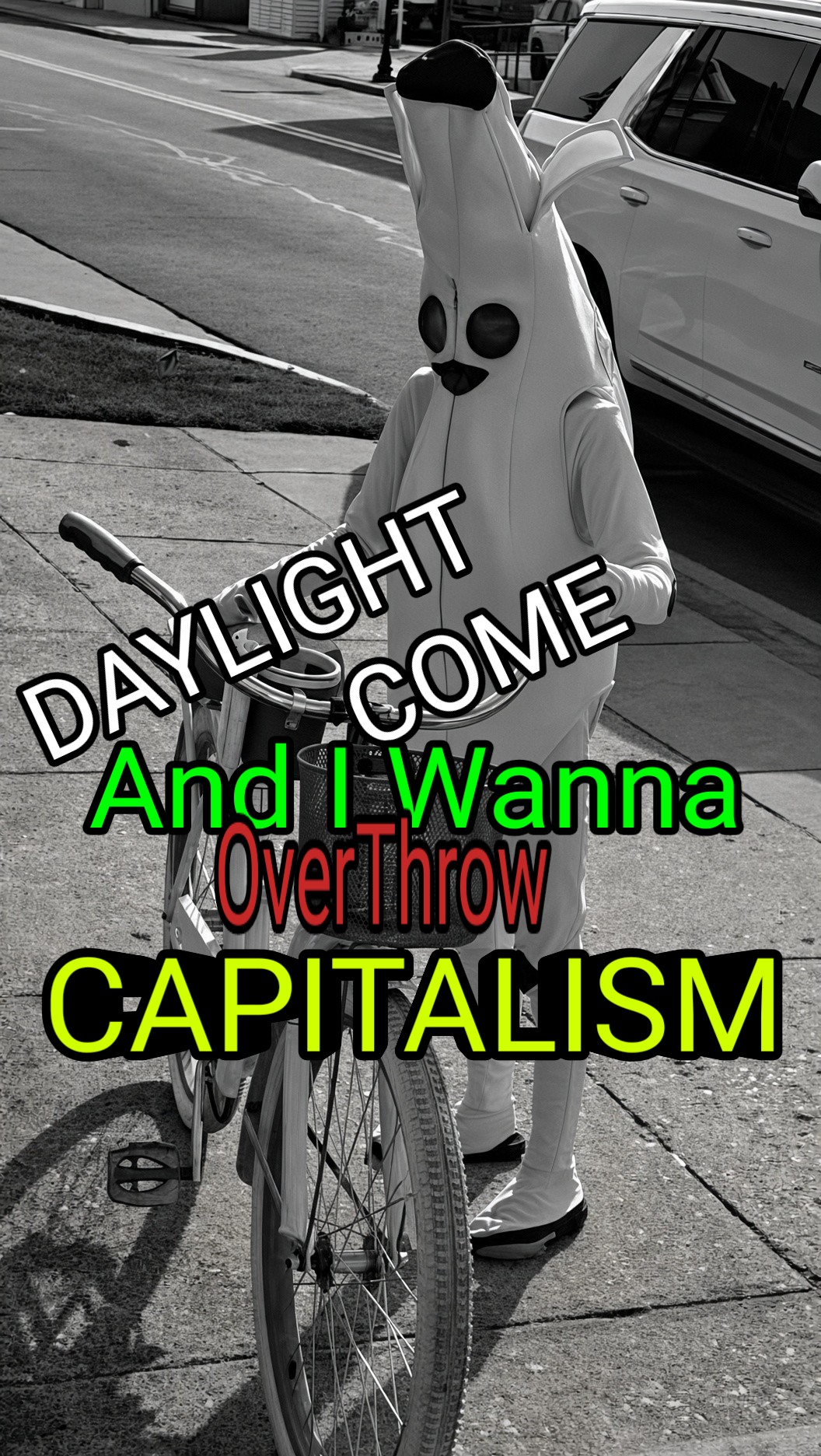

Linton has spent the fall treating its newest local legend as pure comedy. A middle-schooler in a thrift-store banana suit pedals a yellow step-through cruiser through the same streets after school, waves, and hands out hand-drawn cards signed “BM.” He never speaks. Residents wave back. Some dressed as him for Halloween. A girls’ cross-country team ran in his honor. Steve Hartman arrived, the national segment aired, and the town largely agreed to leave the boy’s name alone.
That is the polite reading. It is also the incomplete one.
The costume is not neutral. For more than a century the banana has been the fruit of American corporate reach into Central America. United Fruit Company—the firm that later became Chiquita—controlled plantations, railroads, ports, and sometimes the mail and radio in Honduras, Guatemala, and neighboring countries. When elected governments tried to reclaim idle company land or raise taxes, the firm and its allies in Washington helped remove them. The 1954 coup against Jacobo Árbenz in Guatemala is the best-documented case: land reform threatened United Fruit’s unused holdings, and the government that followed restored the older terms. Workers lived in company towns. Independent countries organized large parts of their economies around a single export whose price and politics were set from outside. O. Henry named the pattern “banana republic” after watching it in Honduras. The yellow suit does not invent that history. It wears it.
The bicycle finishes the argument. It is the style of cruiser once sold mainly to women and girls—upright, slow, step-through. It is also still the everyday transport in many of the places that cut and pack the fruit that ends up in American kitchens. Those countries export the potassium; a large share of the people who grow it still move by bike or on foot because better options remain out of reach. The image is tidy: cheerful yellow, silent, circulating through a Greene County town that never had to bargain with a fruit company. National coverage treats the picture as innocence. The picture itself keeps repeating the older ledger.
Whether the boy or his mother chose the costume with any of this in mind is beside the point the symbol makes every time it rolls past a storefront. A single thrift-store suit and a yellow bike have become the town’s mascot. The mascot keeps pointing at the same history the feel-good stories decline to mention. Linton can keep waving. The rest of us can notice what the costume has been saying since long before it arrived on a local sidewalk.
Thoughts · 7